
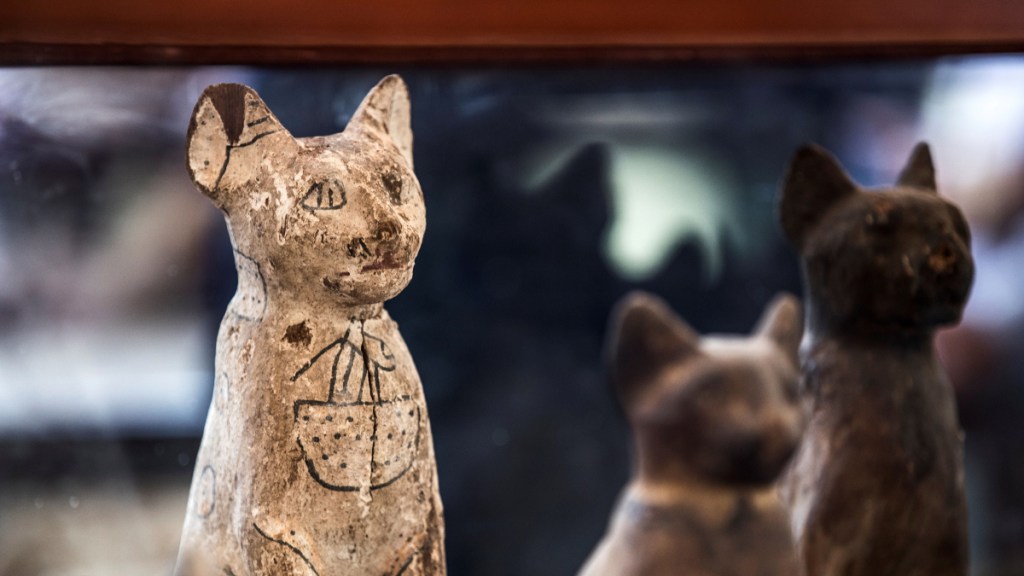
This week, we’ll be looking at a subject that, although it may sound quite grim, is actually extremely fascinating more than anything. Nowadays, when a beloved pet passes on, it’s common to find them cremated or given a burial. You would probably draw some eyes if you asked your friend whose pet recently died whether they’d consider mummifying their animal. But believe it or not, there was a time and at least one place where such an idea was not so outrageous.
Have you guessed it yet? That’s right, it’s Ancient Egypt.
Now there have been stories and claims of animal mummification taking place outside of Ancient Egypt. This isn’t that hard to believe, as is it so unlikely that someone somewhere randomly got the idea to mummify their beloved cat or dog? Some of these tales have originated from South America, but because of the scarcity of reliable sources and the sheer gap in available information, we’ll be focusing largely on Ancient Egypt for this one.
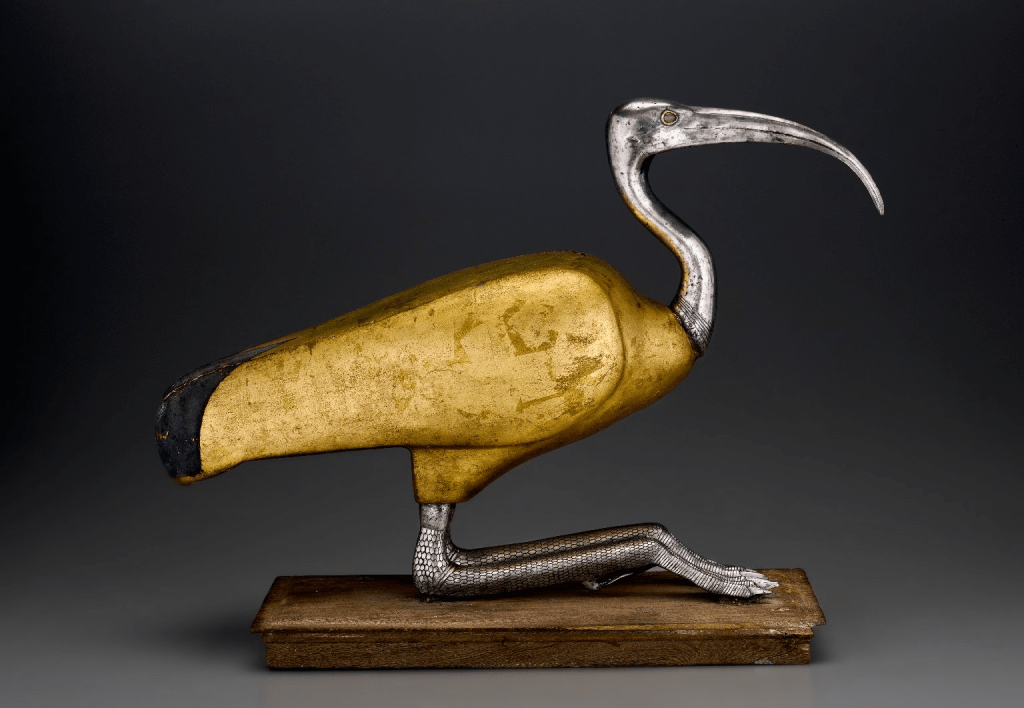
Much of what we know about Ancient Egypt centers around their religious beliefs and practices, and so it should come as little surprise that animal mummification’s most common use was for religious offerings. Many of the Egyptian gods were associated heavily with animals, and so in some cases, you’d practically have the appropriate animal offerings already picked out. For instance, it would make sense to present a mummified cat offering to Bastet, the cat-headed warrior goddess, or a mummified ibis to Thoth, the ibis-headed god of knowledge and wisdom.
Though it’s a bit saddening to think about, there is evidence that some animals (including cats) would be bred specifically to serve as offerings. We mustn’t forget that the Ancient Egyptians placed immense value on their gods and the afterlife, so even though today we may view this practice as cruel and needless, it is likely the Egyptians viewed this act to be just as important as raising animals to be livestock.
This would be a good point to discuss more about how the Ancient Egyptians viewed animals in general. Animals of all kinds were a big deal for these people, to say the least. In one regard, the Egyptians recognized that their survival was intertwined with animals, and so they afforded them great respect. There was also an idea that when an Egyptian was being tested to see if they could enter the afterlife, they would be judged on whether or not they’d mistreated animals during their life. So this meant that if you didn’t give animals their proper respect, you’d be cutting yourself out of a sweet spot in the afterlife.
Some Ancient Egyptians loved animals—more specifically, their pets—so much that they would have them entombed with them as fellow mummies. Thutmose, a prince of the Eighteenth Dynasty (16th-13th century BCE) and elder brother of Akhenaten, had his beloved pet cat buried in his own royal tomb. In what is known as “Tomb KV50,” the mummies of a dog and a monkey were found and are still on display in Cairo today.
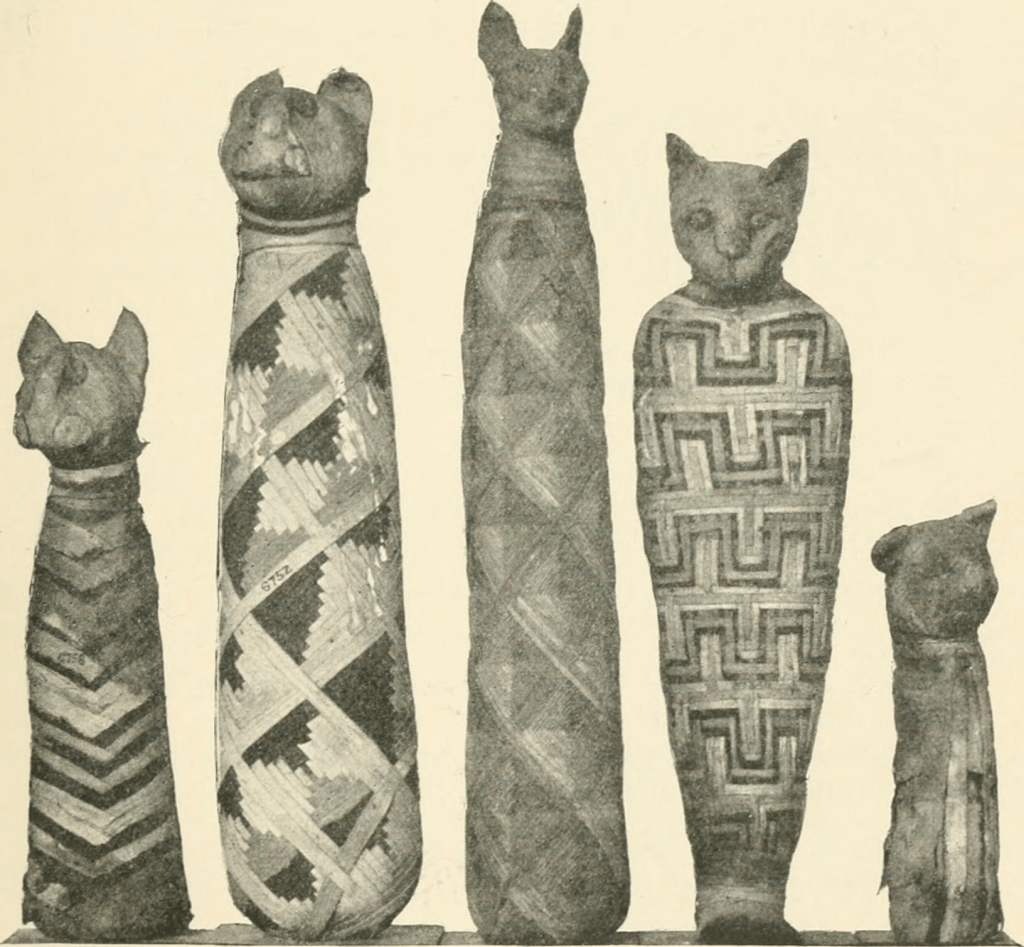
Perhaps the most curious motivator for animal mummification in Ancient Egypt was… food. Yes, food. Because the Egyptians saw the afterlife as simply a continuation of their physical life, they believed that they would need things like food in the next world as well. Just as how humans were mummified to ensure safe passage to the afterlife, so too were livestock. Though these animals were understandably not as well-mummified as precious companions, almost charmingly, these kinds of mummies were dehydrated and wrapped in linen to show that they were meant for food and were not someone’s pet. It sounds sort of like an ancient afterlife packaging system.
It is quite amazing just how many different kinds of animals received the mummification treatment in Ancient Egypt. Of course we know of the regulars like cats and dogs, and even ibises and monkeys as mentioned earlier, but the list doesn’t end there. Fish were one of the animals sacrificed en masse for the gods the Egyptians worshipped. Animals like bulls and crocodiles were often pampered in captivity until their inevitable deaths, whereupon they were given lavish sendoffs to the afterlife. Jackals, birds, and serpents are just a few other examples of animals that were afforded these kinds of treatments.
If Ancient Egypt accomplished one thing, that would certainly have to be making itself memorable. Along with the temples, tombs, and religious idols, mummies—including those of animals—have stuck in the minds of almost everyone who learns about them. By the way, remember that pet cat Prince Thutmose had buried with him? Her name was Ta-miu. Wouldn’t it be neat to have your cat remembered for thousands of years? Lucky, lucky Ta-miu…
— r
Further reading:
Though we didn’t discuss the actual process of mummifying animals much, if you’re interested, you can peruse Johnston et al.’s “Evidence of diet, deification, and death within ancient Egyptian mummified animals” for a more scientific, detail-focused look—but be prepared for a lot of science terminology.

 Mysterious History